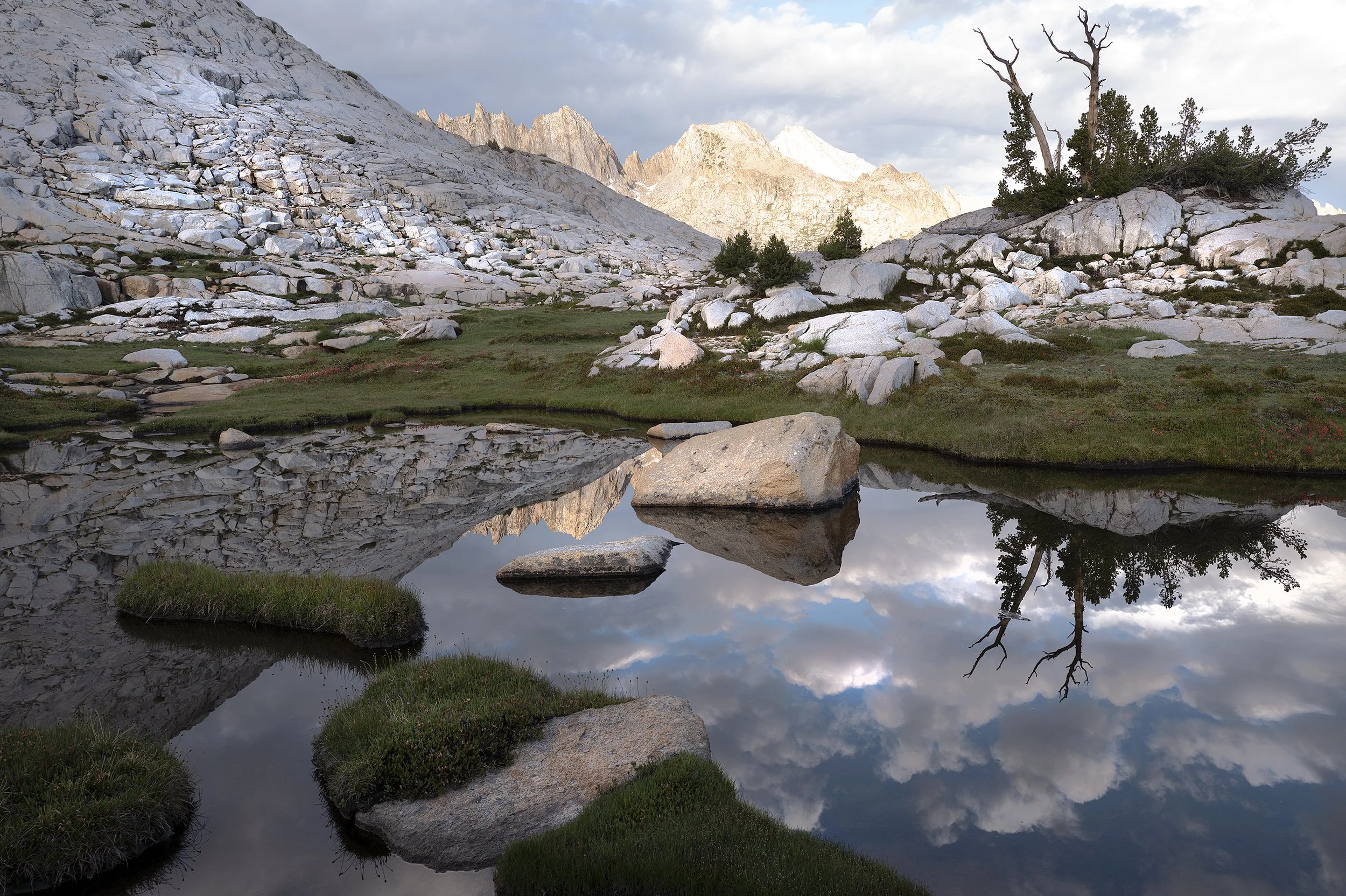
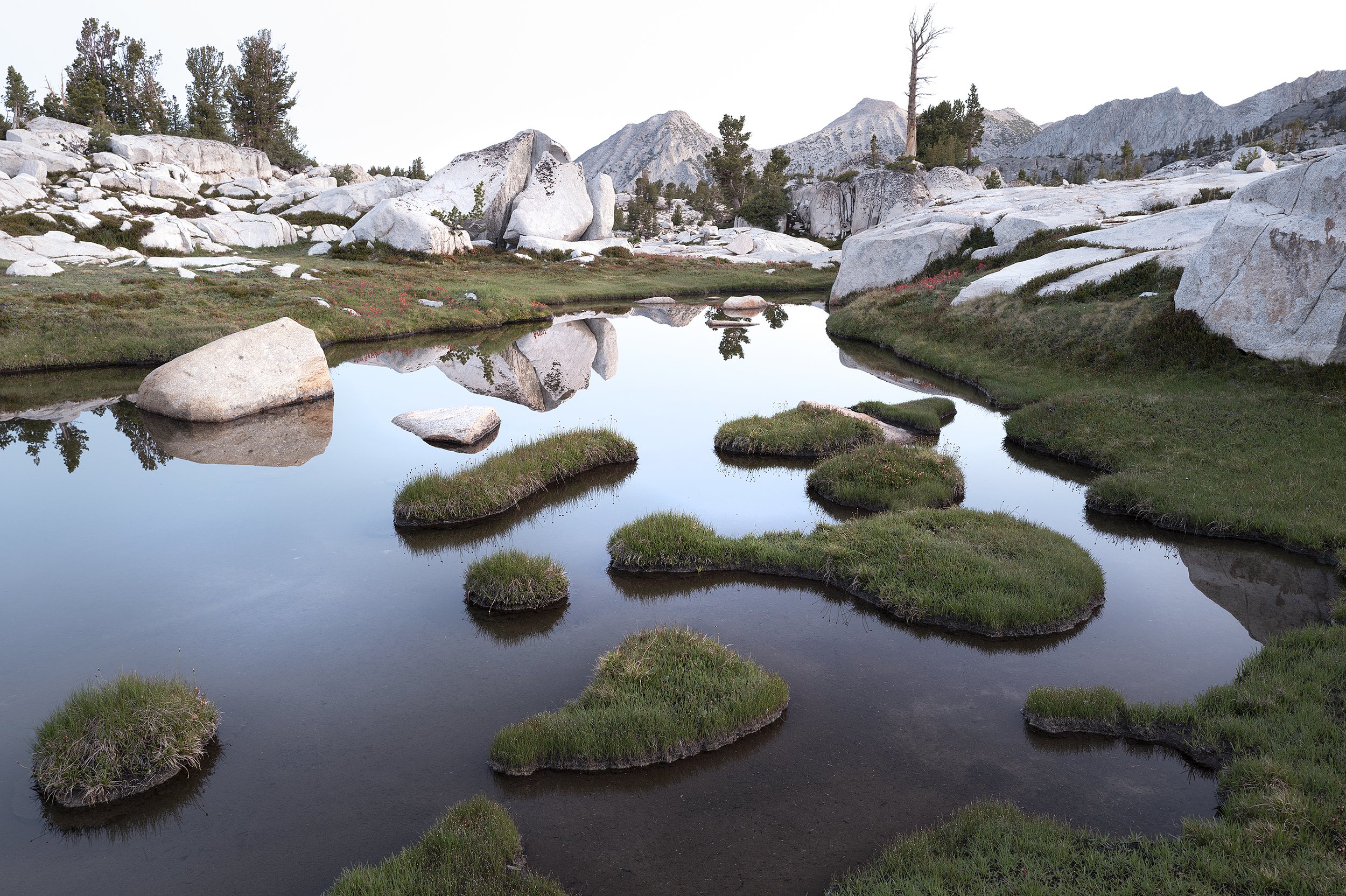
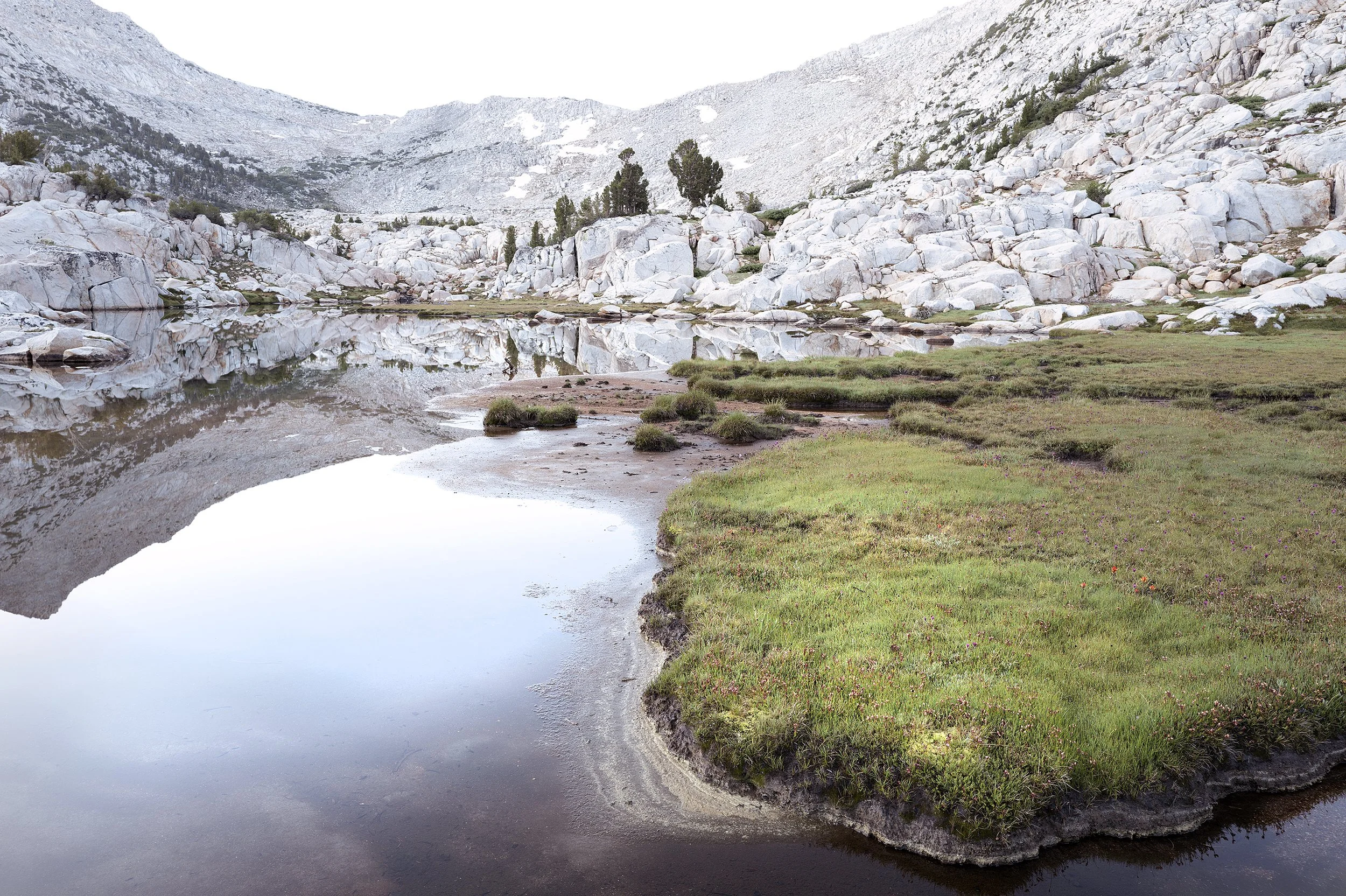
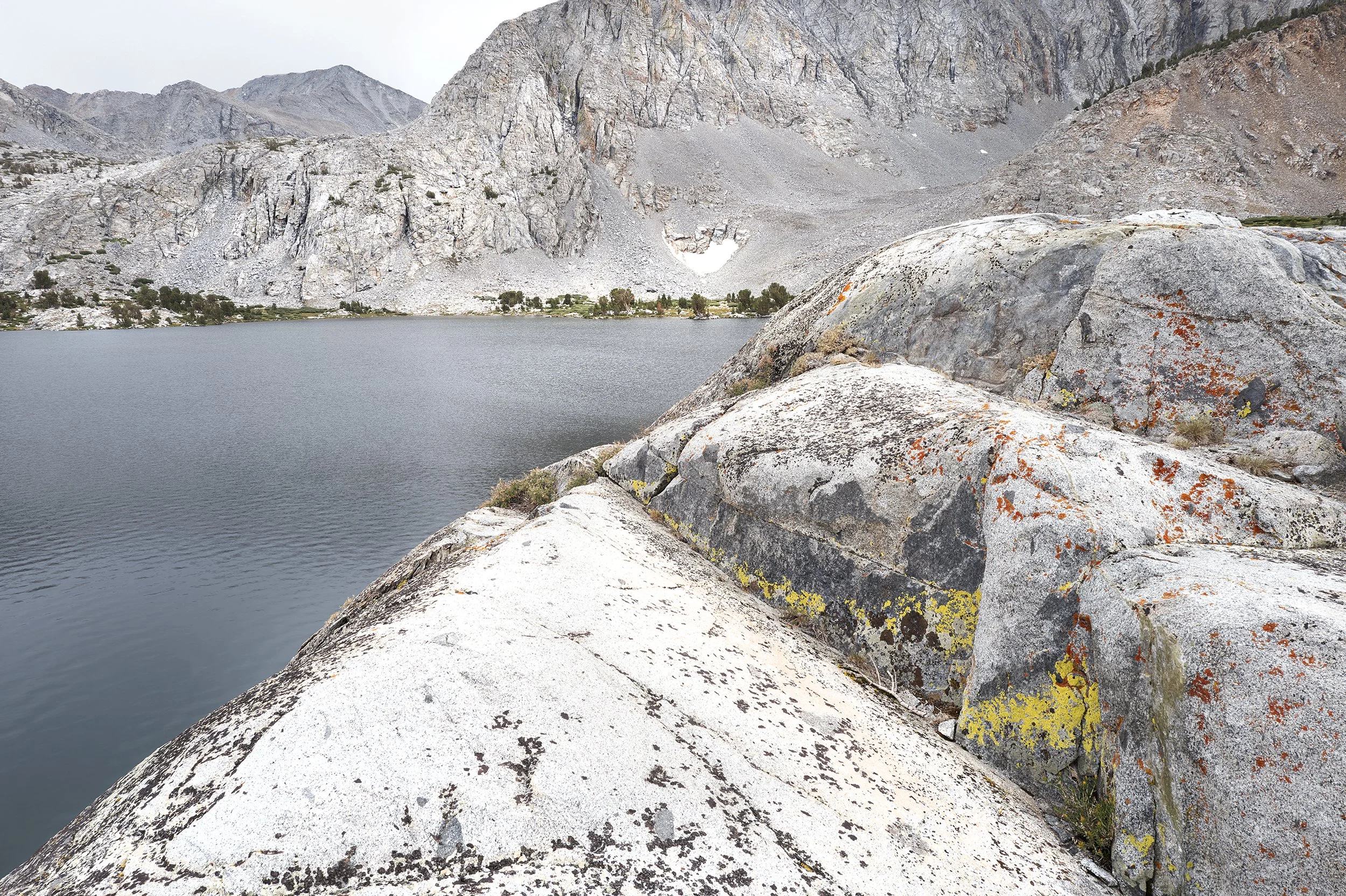
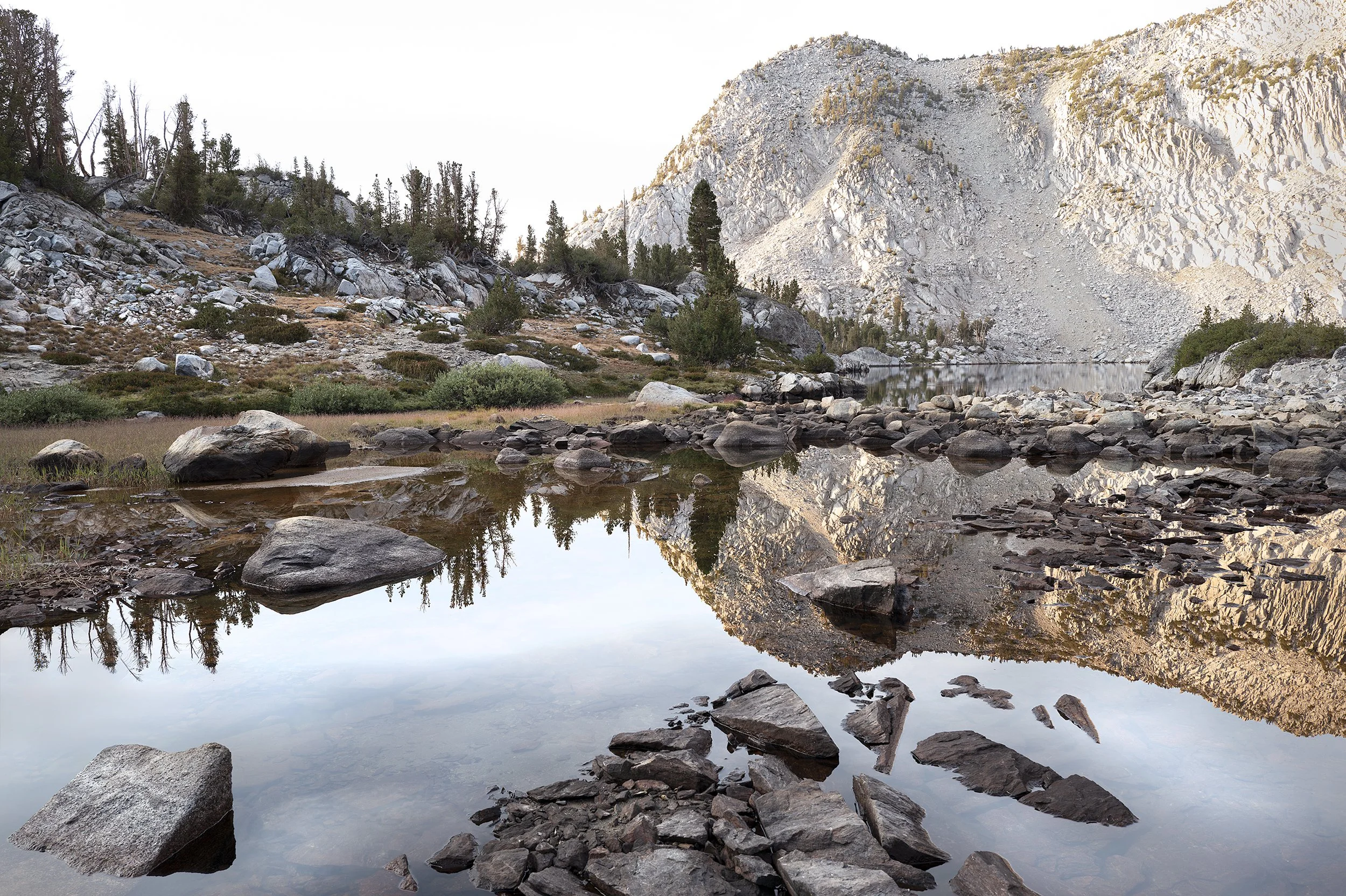
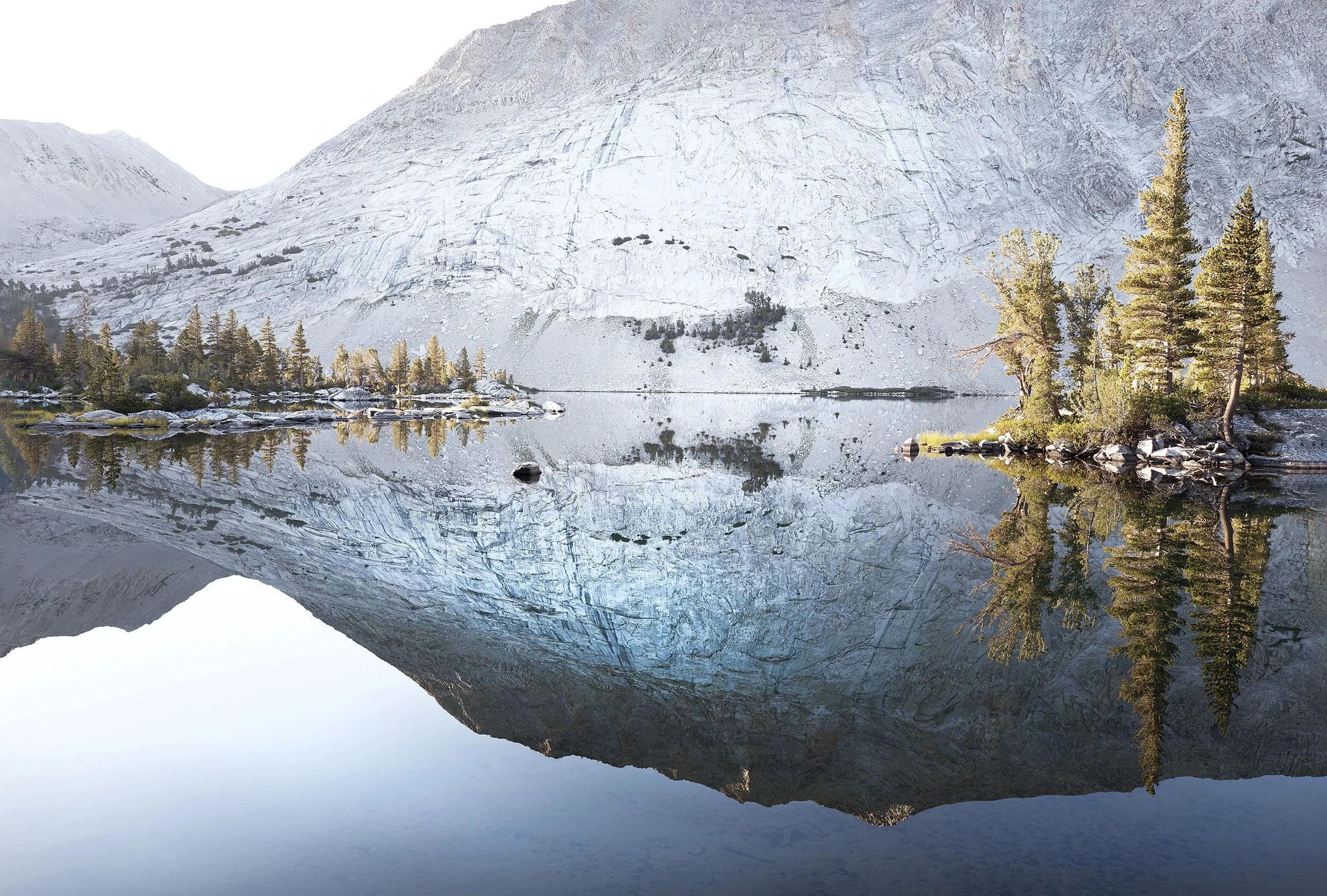
Sierra II
These photographs, begun in the summer 2023 comprise the early stages of a continuing body of work that I will pursue as long as my health and strength permit.
+ MORE INFO
For three decades I photographed the High Sierra in black and white, emphasizing tone, texture and form. I was working from a long tradition of photographers who preceded me and though I could not help but be influenced by them, I worked very hard to establish my own visual language. Sometimes too hard. And the effort to do so could, at times, take away from the viewer’s ability to directly experience the scene - free from my visual histrionics. I sought dramatic light, sculptural granite forms, reflective bodies of water and monumental compositions that aspired to timelessness. I was photographing the Sierra as I believed it should be photographed.
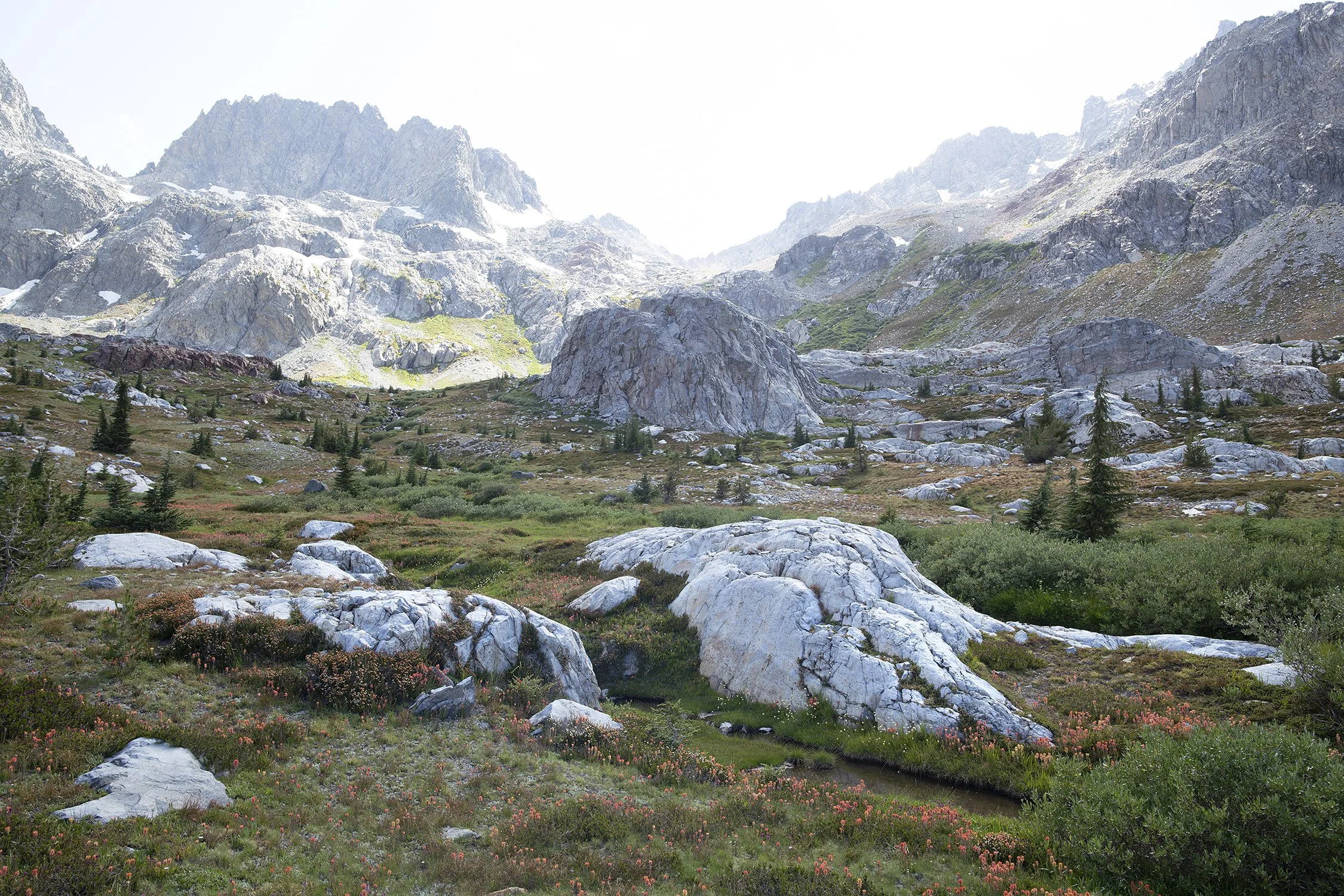
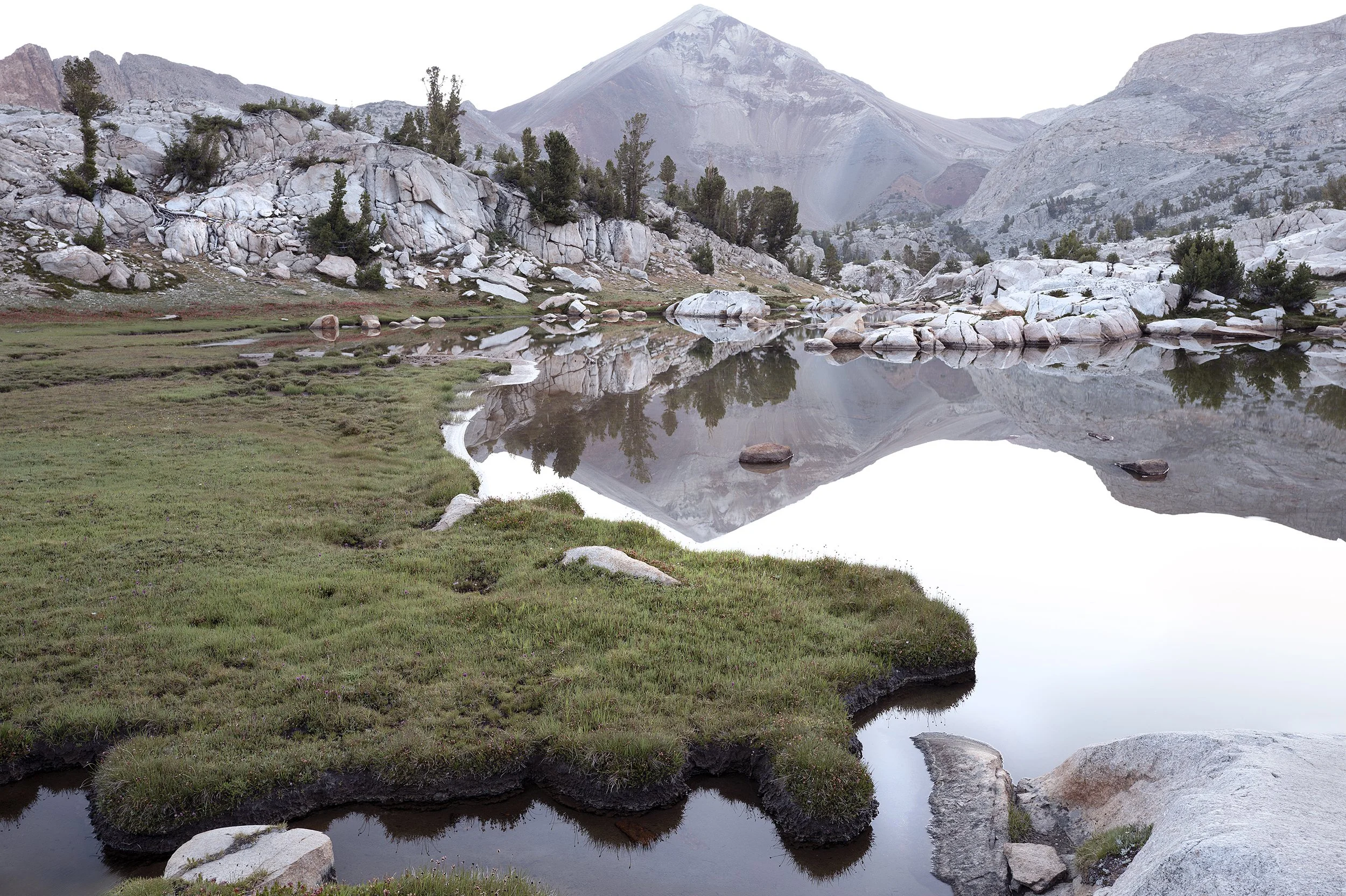
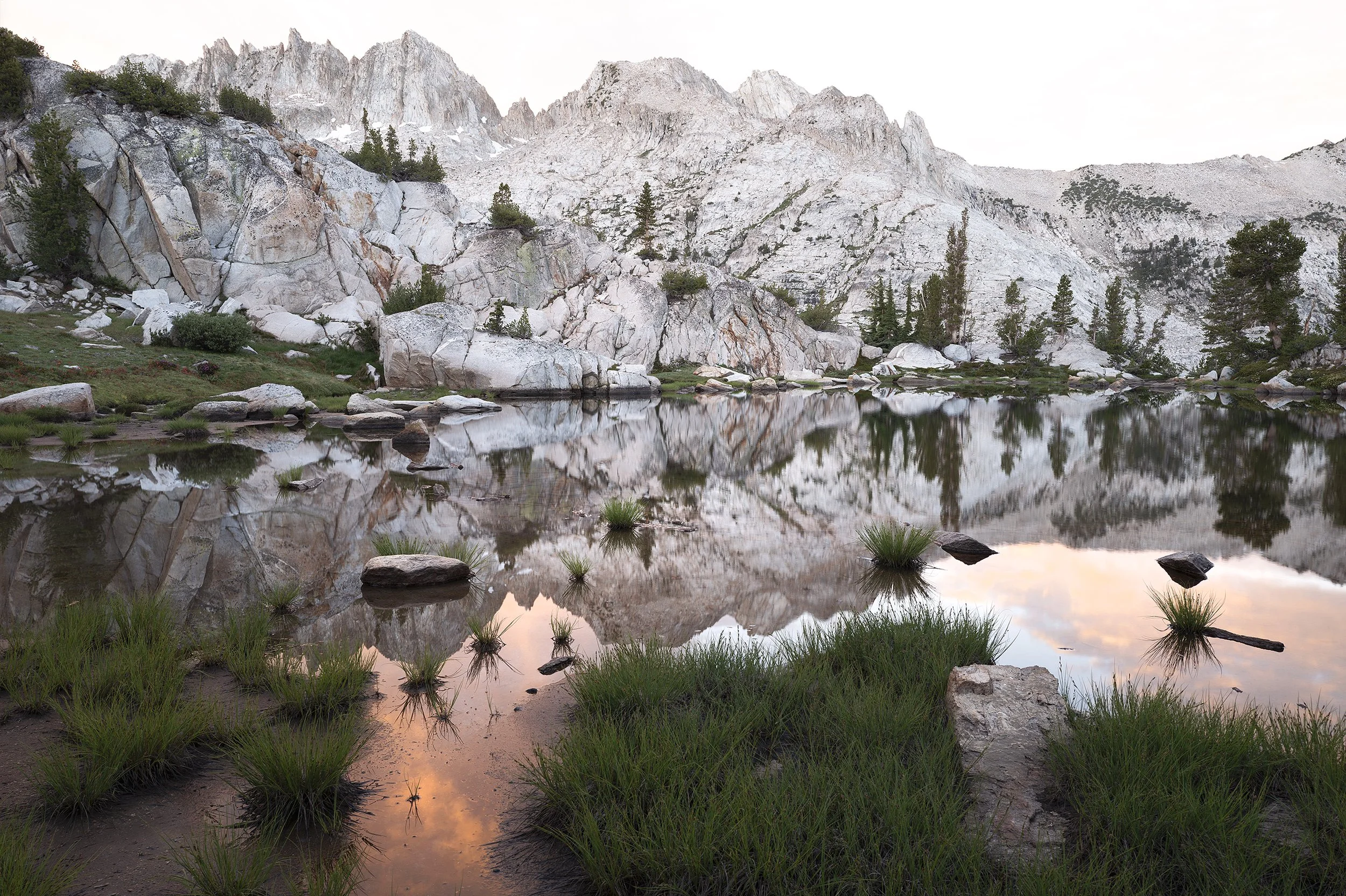
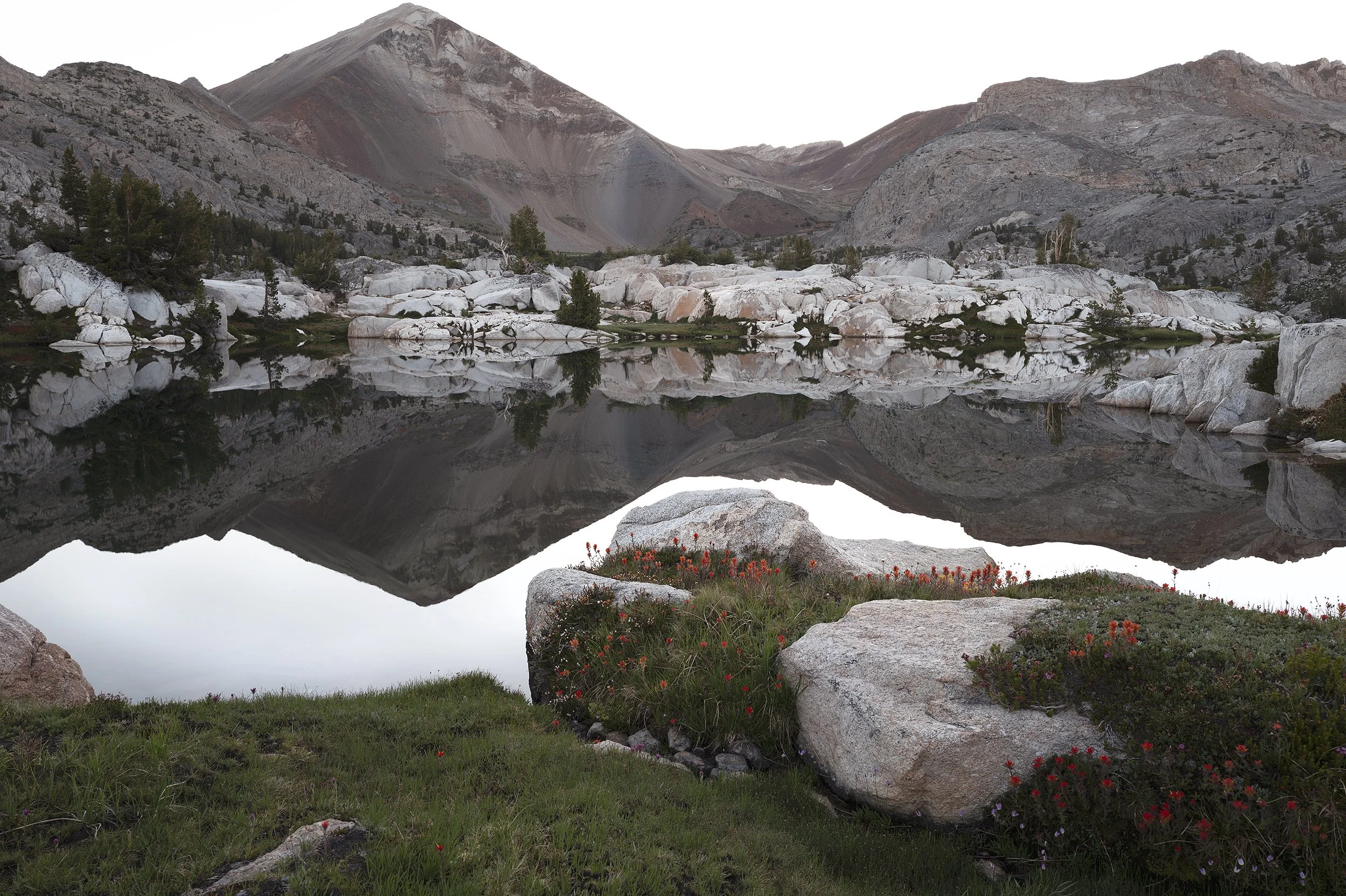
My relatively recent turn to color represents not a rejection of my earlier approach to shooting in the Sierra but an evolution beyond it. Color, in conjunction with my growth as a photographer, has allowed me to move past those inherited conventions and discover what these mountains actually look like rather than how they’ve appeared in photographic mythology. The Sierra I discovered in color - albeit shooting in largely soft, indirect light - is not dramatically contrasted but subtly nuanced, its palette restrained and mineral - cool blue grays and warm peachy pink in the granite, dusty olive vegetation and turquoise water. Shooting color in this light allowed me to replace spectacle with something much more subdued and subtle, something truer.
The shift reflects an evolution in my approach to landscape photography. As a younger photographer I sought ambitious, iconic views that made big statements, I now pursue quieter moments and “unenhanced”, honest observation. This new color work embraces temporal specificity (like only color can) - the exquisite first light of dawn, the flat light of an overcast afternoon, the warmth of alpenglow striking distant peaks. These photographs don’t transcend their conditions but find their meaning within them. They are records of presence rather than attempts at monument. Gone is the complex visual architecture, the dramatic foreground background relationships and other visual tools I’d previously relied on, replaced by clear-eyed, unobstructed views that put their trust in subtlety - the slight variations in granite tone, the narrow band of earth colors, the material presence of water rather than mirror. This minimalist approach was hard earned. It required letting go of the need to make every image as dramatic as possible, and putting trust in the notion that quiet attention could be as powerful as scenic grandeur.
I no longer photograph to prove myself within a tradition or create images that conform to a preconceived notion. The work now comes from a simpler, humbler place: to see clearly and render honestly what I’m seeing. It took me years to get here. This color work represents my most mature vision not because it is objectively better or technically superior to my earlier work but because it is more faithful - to the place, to the moment and to the act of sustained attention that landscape photography, at its best, requires.